
Why Do I Need X-rays of My Teeth?
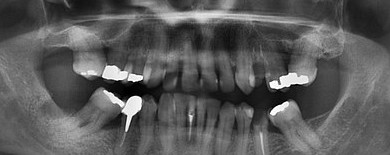
Dentists rely on x-rays or radiographs to assess a patient’s oral health. X-rays are essential to the early detection and treatment of not just cavities, but such serious health conditions as bone infections and oral cancer.
Radiographs help dentists examine the underlying bone, the roots of the teeth, un-erupted teeth and the contact areas where teeth touch one another. In some cases, dental radiographs can uncover a condition at an early stage before a patient experiences any signs or symptoms, thus catching problems before they become more difficult to manage and more costly.
While typically 4 bite-wing x-rays are taken once every year, a dentist will generally prescribe dental radiographs for a patient after evaluating the patient’s needs, including:
- a review of the patient’s health history;
- assessment of the patient’s clinical dental history;
- completion of clinical examination;
- evaluation of the patient’s susceptibility to dental diseases; and
- examination of previous radiographs when available.
Although x-rays do emit radiation, the amount is extremely small. Today, the majority of dental offices use digital radiography, where a high-quality image can be obtained and stored digitally. This technique minimizes radiation exposure to both patient and dental care provider.
Q: But how much radiation does a patient receive and is it dangerous?
Radiation exposure is typically measured in units called millirem (mrem). While many of us do not realize it, we are being exposed to radiation at some level, all of the time in our normal everyday life. Each year, the average person receives about 620mrem of radiation from all natural and man-made sources combined. To give you an idea of what that means, here are some examples of mrem numbers and the sources of the radiation. (FYI: It is not until 10,000mrem that the first clinical signs of radiation injury appear)
1,000 mrem: in 1 full-body CT scan
228 mrem: breathing normally for 1 year(from radon in the air)
40 mrem: food and water for 1 year(from radioactive trace elements)
35 mrem: sunlight and other cosmic radiation for 1 year
5 mrem: 1 coast-to-coast plane ride, round trip
And the amount of radiation from a single dental x-ray: 0.1 mrem
So while we should be cautious and aware of the sources and amounts of radiation exposure we allow our bodies to receive, the extremely small amount of radiation received annually while in the dentist office should not be of concern.
If you have any questions or are still uncomfortable about the merits of dental x-rays vs. radiation exposure, please discuss the matter with your dentist. You and your dental care provider can determine what is best for you.
Don’t forget to stop in our office for your free Dental Kit and a tour!